Athletic Brewing put non-alcoholic craft beer on the map. But they’ve still got plenty of uncharted territory to explore in 2026.
By: Courtney Iseman
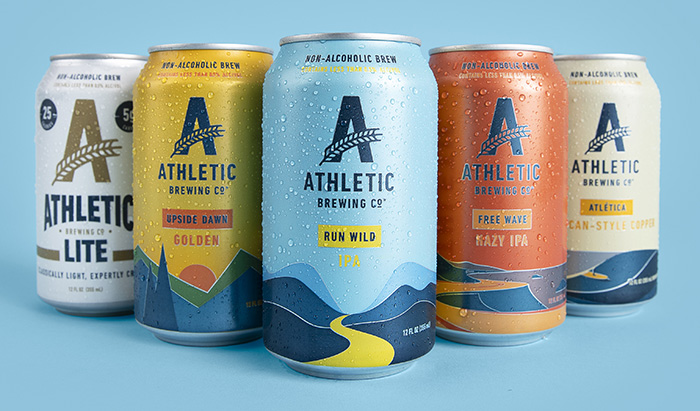
Athletic Brewing Company has become virtually synonymous with its overall category of non-alcoholic craft beer. Quality lagers, IPAs, stouts, and more offering zero booze but full flavor, and the social experience of throwing back a beer – this is the house that Athletic built and continues to expand upon. By 2024, six years after its launch, Athletic had hit number eight on the country’s top-performing 50 craft breweries, per the Brewers Association, and 18 on the best beer companies. In 2025, the brewery drove 66% of all non-alcoholic craft beer growth. Circana data reveals Athletic is second only to Heineken 0.0 in dollar sales for NA beer, and that the brewery demonstrated 108.2% growth year over year compared to Budweiser Zero, the second fastest grower, with just 17%.
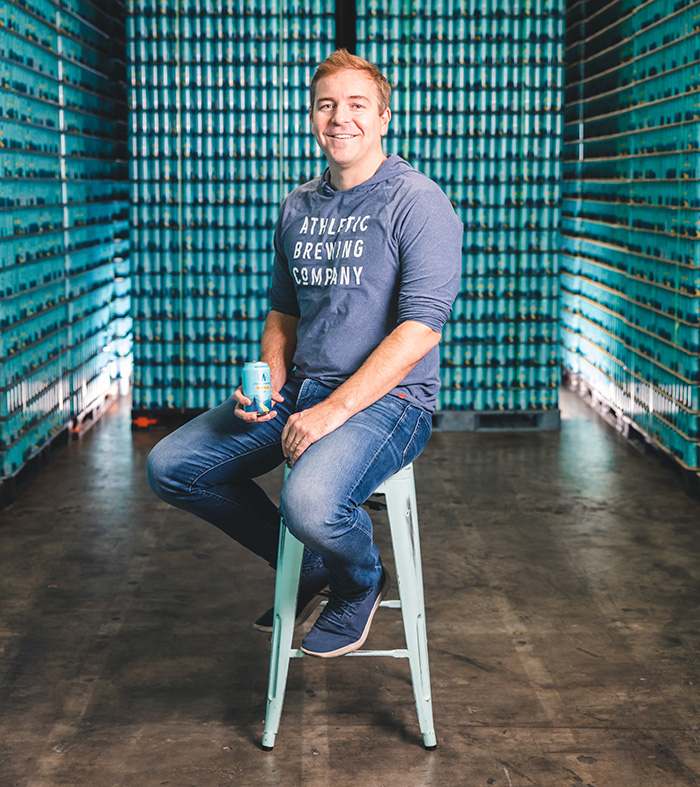
It’s heady business, but Co-founder Bill Shufelt isn’t one to rest on his laurels. “Top of mind for us is growing distribution,” he says. Even for a company that has successfully shaped and amplified the culture around non-alcoholic beer, Shufelt only sees further opportunity for growth. And that drove a banner year for Athletic in 2025, with the promise of an equally exciting 2026.
The success starts with the liquid, of course. Shufelt credits Athletic having its own production facilities on both coasts with being able to drive perpetual innovation, but the company balances this with a healthy awareness of its bread and butter. In 2025, Athletic’s flagships drove 95% of the brewery’s growth – these include Run Wild IPA, Free Wave Hazy IPA, Upside Dawn Golden, Athletic Lite, and Atlética Mexican-style Copper.
“Our flagships are really the workers for the category,” Shufelt says, reasoning that if they drive 95% of Athletic’s growth and Athletic drives 66% of non-alcoholic beer’s growth, these flagships are big business. But that doesn’t mean the company takes its eye off the innovation ball. This is the brewery, after all, that has invested over $100 million in advanced brewing equipment, which clearly pays for itself by producing great liquid in a category where many producers struggle (faults include overly malty, worty brews; thin, watery brews; or just plain off-flavored brews). Shufelt says Athletic tests between 40 and 50 new beers annually, which takes plenty of resource allocation for a company mostly running on its core staples.
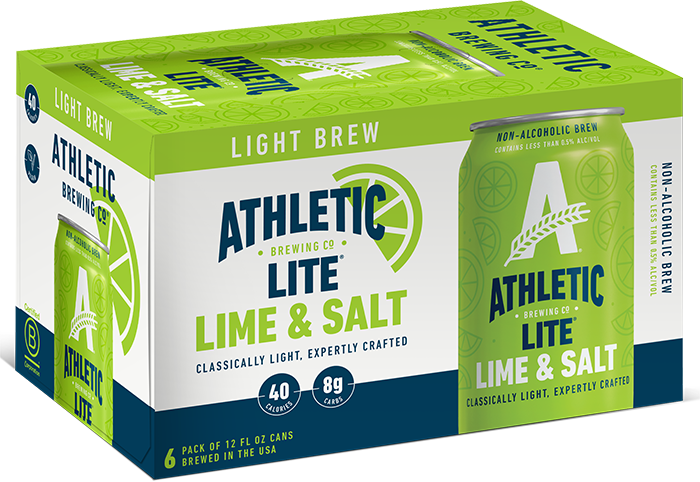
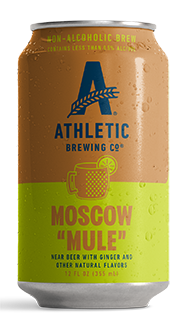
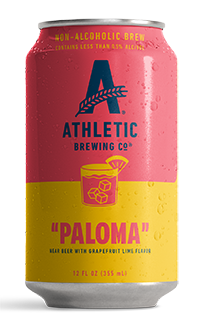
Athletic tests these new beers out direct-to-consumer, offering its fans online and in its Athletic Club monthly subscription service, the unique opportunity to try limited brews. If the response is strong, these offerings graduate to limited distribution and work up from there. This is how Layback Lime & Salt, which debuted in 2025, made its way to what will be a fully distributed, year-round core beer in 2026 with a new name: Lite Lime & Salt. Ditto for Athletic’s cocktail-inspired brews: “Paloma” and Moscow “Mule” which both received such positive feedback that they’ve been launched as year-round products as well.
While flagships fuel Athletic, the company is always open to adding to that portfolio, and doing the right amount of experimentation to make sure any of those additions are the best they can be.
It may be hard to believe considering Athletic’s prolific profile and significant hand in putting non-alcoholic beer on track toward being a $5 billion industry by 2028 (per IWSR), but the company is under-distributed. Its top flagships peak at around 39% distribution, Shufelt says, with most of their SKUs averaging 25%. He places brand awareness among consumers at 20%. Considering these low percentages against the stratospheric growth Athletic has had, it’s almost hard to imagine what the brand could do with even 60% distribution, or 40% brand awareness. Case in point: Shufelt adds that Athletic’s national distribution penetration on-premise is about 10%, but four out of five non-alcoholic craft beers consumed on-premise are Athletic beers.
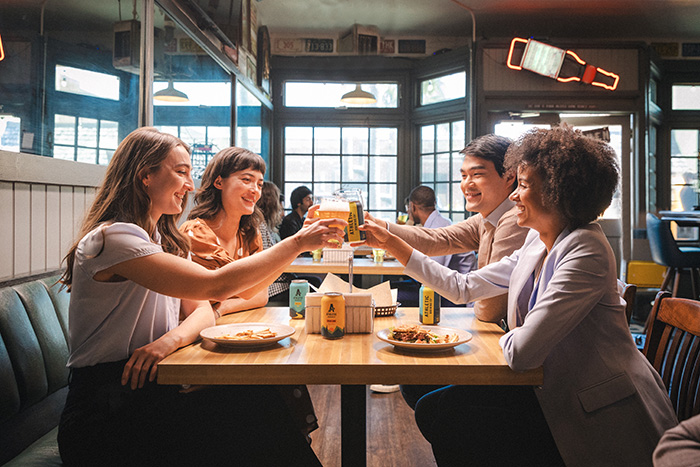
This explains why growing distribution is a priority for Athletic in 2026. The company has been hard at work as always boosting brand awareness, too. Their approach toward framing Athletic as more of a lifestyle than just a beverage has helped not only the brand but the category to evolve the way it has. Shufelt explains this has hinged on identifying any occasions in which someone might normally have a beer and providing this alcohol-free option within that context. The brewery began by linking itself with endurance sports, handing out brews at races and events, before moving into other athletic avenues and spectator sports; overall, this positioned Athletic Brewing Company as a full-flavored beverage that paired well with an active, adventurous lifestyle.
Since then, Athletic has identified settings far beyond the world of sports.
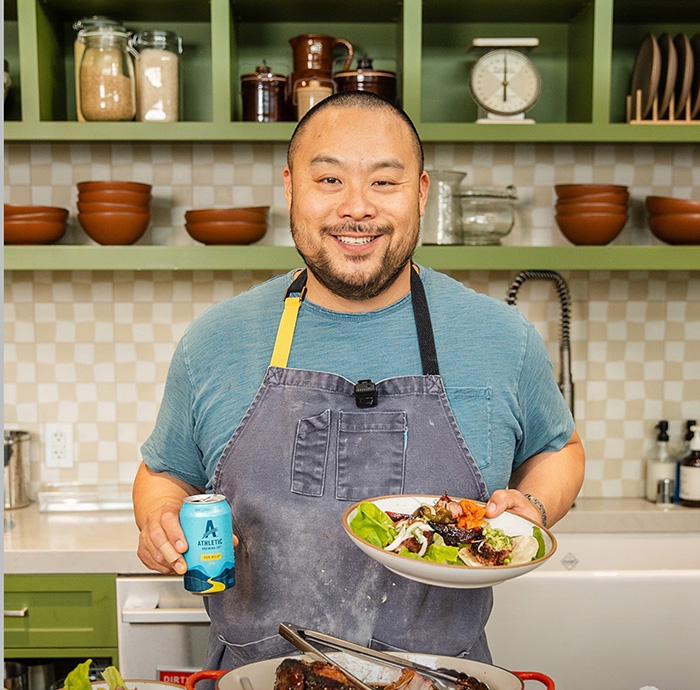
“I always wanted non-alcoholic beer to be uncompromising, like you wouldn’t have to compromise on social experience or taste or quality,” Shufelt explains. “I wanted people to feel included in the moment.” That’s why you can get Athletic at sporting events, sure, but you’ll also find it on the menus at 20% of the country’s Michelin-starred eateries. And in 2025, the brewery teamed up with celebrity chef David Chang, also an investor in Athletic, to highlight elevated but accessible non-alcoholic beer and food pairings for game days. Chang and several other chefs also worked with Athletic to create Aftershift, a session ale with yuzu and lime leaf, to raise awareness for Mental Health Awareness Month as well as funds for the Southern Smoke Foundation, which provides food service industry workers with mental health support.
In 2025, the brewery partnered with Live Nation, one of the leading entertainment companies in the United States with hundreds of venues – this places Athletic in the music conversation, too; Shufelt says they’re in over 100 venues so far and have also secured festival partnerships. This has also catalyzed innovation: While available and popular in the convenience store channel, music and sports venues prompted Athletic to fully launch 19.2 oz. cans in 2025.
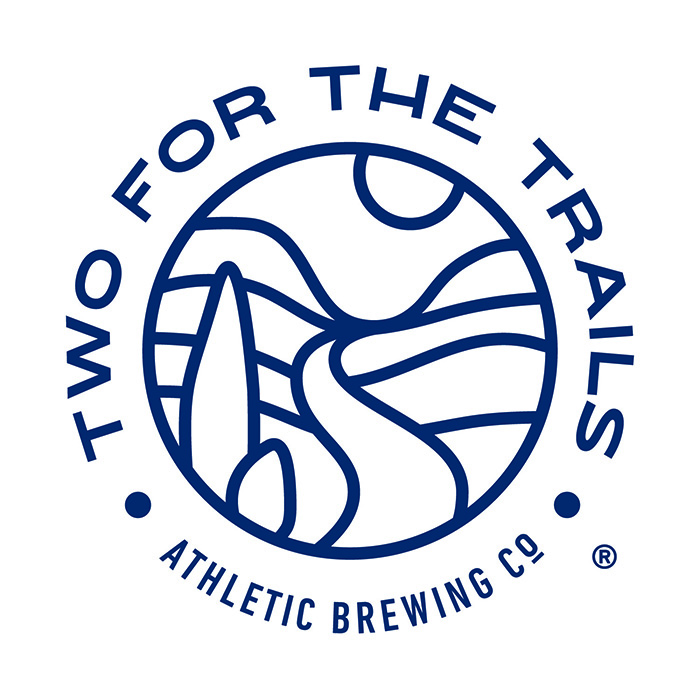
It helps, too, that Athletic is a company that’s easy to support. From a values perspective, it has a culture that appeals to mindful consumers. In 2025, Athletic was recertified as a certified B Corp, with an even higher score than their last certification. The brewery’s Two for the Trails initiative is a leading corporate sustainability grant, giving $2 million each year toward protecting and restoring local hiking trails. Athletic does good, and cements its adventurous, athletic, outdoorsy identity in the process.
Building on this momentum, Athletic is well positioned to expand further into the open distribution space in 2026. Given how effectively the company already engages consumers, boosting brand awareness now largely depends on reaching new audiences, whether they’re existing beer drinkers seeking a non-alcoholic option or people discovering non-alc beer for the first time through Athletic. Shufelt notes that 20% of their customers fall into this latter group.
“Athletic has really found the secret sauce in finding their consumer and giving them whatever they’re looking for in a beverage,” says Origlio Brand Manager Ethan Peiffer. “Better for you, full-flavored, a beer pacer – they’ve really identified themselves as the non-alcoholic brewery.” In short, if you think Athletic has come a long way so far – you ain’t seen nothing yet.
Cheers to Cocktail-Inspired Brews
Athletic has tapped into two trends at once by looking to cocktails for a collection of their non-alcoholic beers. Considering these brews appeal to cocktail fans looking for a booze-free option, too, it’s no surprise that the limited releases proved too popular to keep limited.
MOSCOW “MULE” This near-ale is brewed with spicy ginger and tart lime, and Athletic recommends enjoying it just like a mule in a copper mug over ice, garnished with a lime wedge.
“PALOMA” True to this beloved tequila cocktail, this near-beer incorporates bright lime and juicy, bittersweet grapefruit.
About the Author: Courtney Iseman is a Brooklyn-based freelance writer covering craft beer and spirits for Food & Wine, Craft Beer & Brewing, Brewing Industry Guide, PUNCH, Inside Hook, VinePair, Thrillist, Wine Enthusiast, and more.