By: Jess McDonough
In a beer market that increasingly rewards clarity, consistency, and smart execution, Sapporo is checking all the right boxes for retailers heading into 2026. With accelerating scan growth, meaningful innovation, and a cultural relevance that continues to deepen in the U.S., Sapporo isn’t just a strong Asian import, it’s a scalable growth engine across channels.
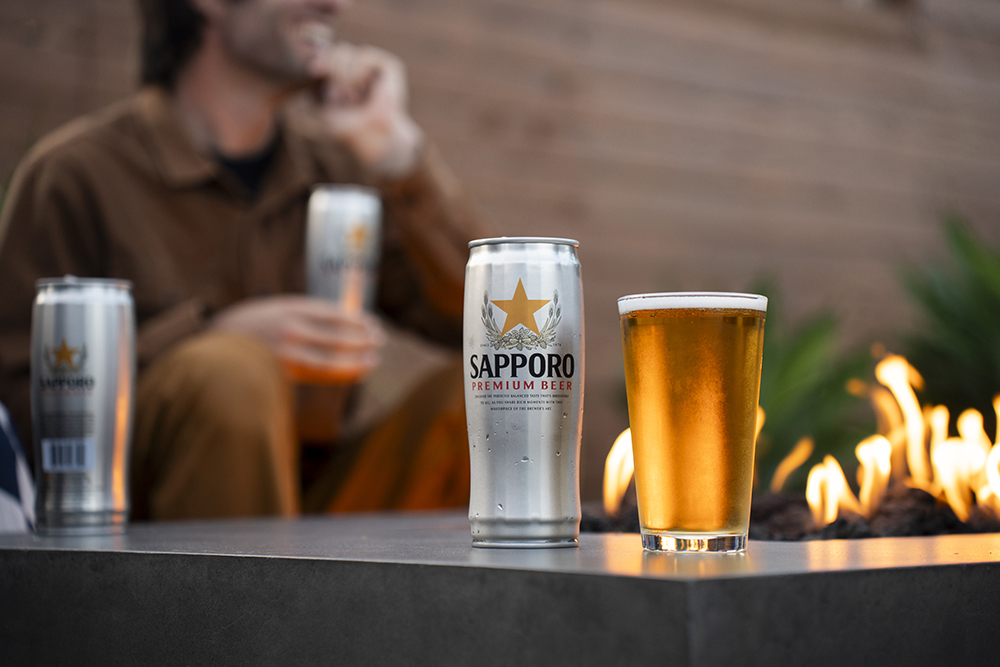
Start with momentum. Sapporo is the only top 100 beer brand in national scans to accelerate growth in each of the last three years, according to company leadership. In 2025 alone, the brand grew high-single-digits in depletions, with early 2026 already showing double-digit growth. That kind of sustained acceleration is rare, and exactly what distributors want behind the wheel.
Category leadership reinforces that story. Sapporo commands 73.5% dollar share of the Asian import segment. But Sapporo-Stone leadership isn’t fixated on defending a niche, they’re benchmarking against the top import brands overall, signaling confidence that Sapporo can continue to urge consumers to trade up.
That ambition is well-timed culturally. Asian cuisine is one of the fastest-growing food segments in America, driven by the mainstreaming of sushi, ramen, Korean BBQ, and pan-Asian street fare across grocery, fast casual, and fine dining. At the same time, Japanese and Korean culture – from anime and manga to K-pop and prestige streaming content – are more embedded in American society than ever before. As consumer interest in these flavors and cultural touchpoints rises, so does the natural affinity for an authentic Japanese beer. Sapporo isn’t riding a niche wave – it’s aligned with a broad, structural shift in American dining and entertainment habits.
Innovation is another major reason Sapporo stands out. In 2026, the brand is expanding into four of beer’s most important growth spaces: health and wellness, non-alcoholic, premium singles, and convenience-driven trial. Sapporo Premium NA, already outperforming expectations and doubling its initial 2025 forecast, gives both on- and off-premise accounts a credible, premium non-alcoholic option – one that is explicitly designed to sit alongside Sapporo Premium.
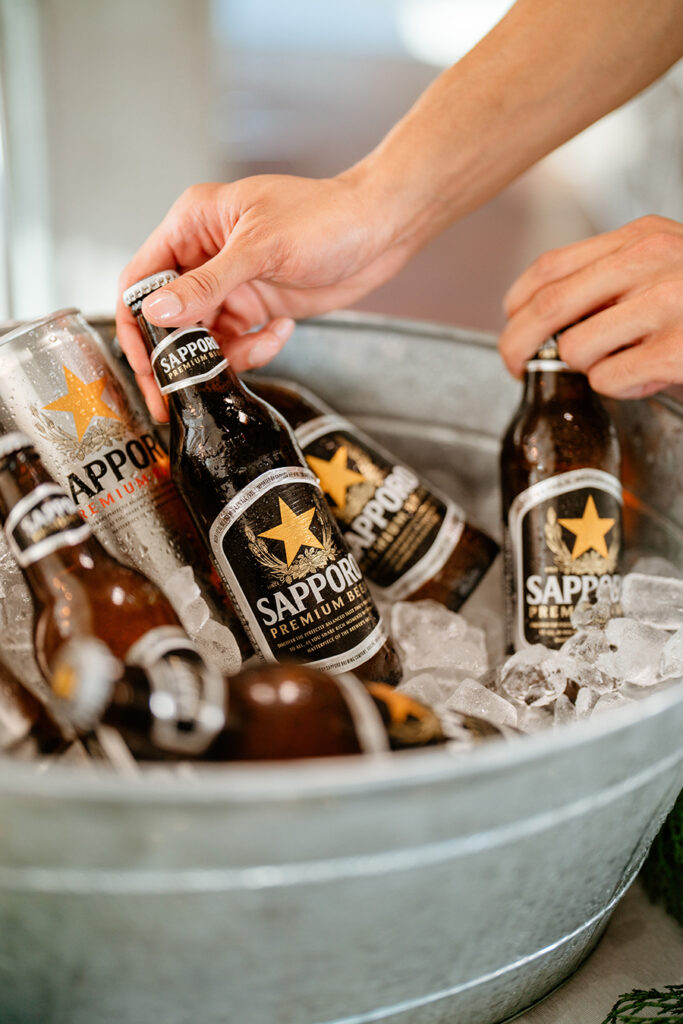
Single-serve expansion may be the biggest near-term unlock. Sapporo is entering an $8.5 billion single-serve category where imports are the top-selling segment, and where import singles are growing 8-10% in convenience and xAOC (extended all outlet combined) channels. The new 19.2 oz. steel can is purpose-built for c-stores, venues, and mass grocery, hitting key price points without replacing Sapporo’s iconic 22 oz. chalice. For distributors, this “dual single-serve” strategy means broader distribution, more trial, and incremental volume, not cannibalization.
Execution at retail and on-premise seals the deal. Sapporo’s proven sushi-adjacency strategy has delivered average same-store sales lifts of 40% over 12 weeks, making it one of the simplest, highest-ROI display plays available.
Finally, 2026 brings marketing tailwinds that few brands can match. Sapporo’s 150th anniversary, manga-style founder storytelling via QR codes, and pop-culture tie-ins like Ghosts of Yōtei create reasons to reset, re-merchandise, and re-engage consumers all year long.
For distributors looking for dependable velocity and on-premise accounts seeking relevance, versatility, and margin, the case is straightforward: Sapporo isn’t just growing – it’s building something lasting.