
Smaller packages meet modern moderation habits while creating fresh merchandising, pricing, and occasion-based opportunities for retailers.
In a beer market shaped by moderation, value concerns, and changing drinking occasions, smaller may be the category’s next big opportunity. 7 to 9 oz. “pony” beers give consumers the familiar taste and social ritual of a full-strength beer without requiring them to commit to a standard 12 or 16 oz. serving. Although the format has existed for generations, renewed supplier investment suggests that pony beers are moving beyond nostalgia and becoming a relevant answer to how people want to drink today.
Moderation is a major reason for the comeback. NIQ’s review of the 2025 beverage alcohol market identified increased moderation, flexibility, and intentional consumption as defining shifts in consumer behavior. Pony beers fit naturally into that mindset: They provide a smaller portion while allowing drinkers to remain part of the occasion and enjoy the brands and styles they already know. They also appeal to consumers who want one drink with dinner, a lighter commitment during a longer gathering, or a small indulgence that fits the broader “little treat” culture.
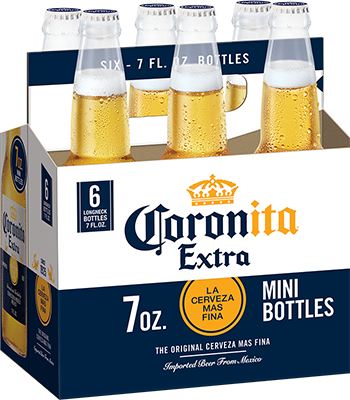
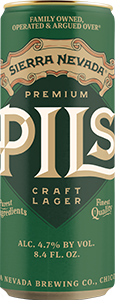
Major brewers are taking notice. The Wall Street Journal reported that Sierra Nevada, Constellation Brands, and other large suppliers are investing in 7 to 9 oz. packages. Sierra Nevada released its PILS in eight-packs of 8.4 oz. “proper pilsner cans,” designed to help preserve the beer’s ideal temperature and flavor. Constellation has also expanded its small-format portfolio with a 7 oz. Pacifico package alongside Coronita and Modelito, which the company identifies as the two leading 7 oz. beer brands in the United States.
Temperature is another selling point. A smaller beer is more likely to be finished before it becomes warm, making pony packages especially attractive for patios, golf outings, and tailgates. The format also creates a lower entry point for trial and gives shoppers an approachable alternative when a full-size beer feels like too much.
Small packages can provide accounts with additional pricing and pack-architecture flexibility, too. Rather than simply discounting a traditional package, retailers can establish an accessible opening price point while maintaining the product’s premium positioning. Multiple pack sizes also give shoppers a choice based on occasion, budget, and desired portion.
In the market, success will depend on treating ponies as more than miniature novelty packages. Place them cold and at eye level, use checkout or grab-and-go displays, and merchandise them around specific occasions. Clear signage should explain the benefits – smaller servings, cold to the last sip, and convenient for casual occasions – while pricing should make the value easy to understand. Mix-and-match packs can encourage exploration, and on-premise accounts can use ponies in buckets, flights, beer-and-shot pairings, or beer-based cocktails.
Pony beers will not replace traditional packages, but they can expand the number of occasions in which beer feels like the right choice. At a time when asking consumers to drink more is neither realistic nor responsible, offering them less beer per serving may help retailers sell more effectively.