
Sierra Nevada Builds Balanced Momentum Through Its Core and Innovations.
By: Kate Bernot
– Ellie Preslar Sierra Nevada CCO
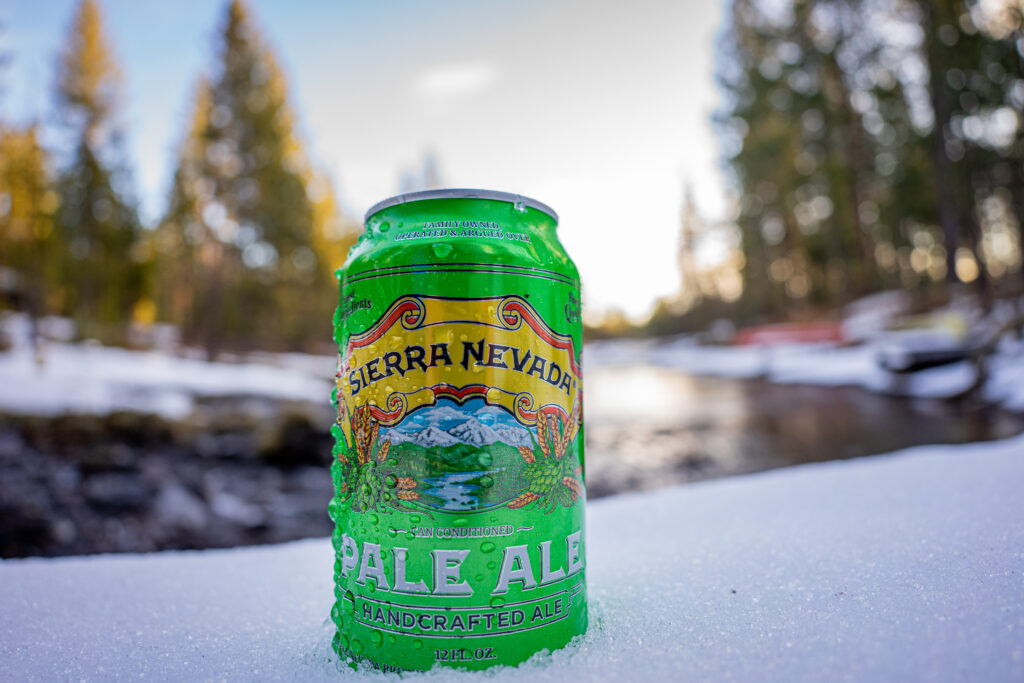
Sierra Nevada occupies rare air within the American beer landscape. It’s the third-largest craft brewery in the country by volume, with the Grossman family still at the helm after 46 years. It’s a trailblazer and pioneer, introducing American palates to expressively hoppy beers through its stalwart Pale Ale and Celebration IPA. But it’s also an adaptable, evolving beverage company that’s remained on-trend with products like the Little Thing line, Hop Splash hop water, and non-alcoholic Trail Pass brews.
Chief Commercial Officer Ellie Preslar says it’s this duality – bringing legacy brewing credentials to the current moment – that makes Sierra Nevada well poised to meet fast-changing drinker demands without losing its soul. Here, Preslar explains how the brewery will balance its portfolio priorities in 2026 and set itself up for continued evolution. (This interview has been edited for length and clarity.)
Heady Times (HT): Sierra Nevada has this wonderful dual reputation as the Mount Rushmore of legacy brands, but also very much a leader in innovation. How does that duality influence how you approach a new year of planning?

Ellie Preslar (EP): It’s something that, in many ways, I view as a luxury. We are stewards of protecting and teaching, frankly, a new generation about the legacy of Sierra Nevada and beers like Pale Ale and Celebration, and their stories. In addition to that, we get to showcase how incredibly well our brewers have evolved and continue to innovate. We are able to use that all, not just to grow our portfolio, but to also think about how we can impact craft in these more challenging times. For example, the Hazy Little Thing family that has such power, even after eight years, continues to bring new shoppers into our portfolio, but more importantly, into craft. We know 81% of Little Thing buyers are new to Sierra Nevada, and 32% are new to craft – they’ve never bought a craft beer before.
HT: That’s a huge responsibility for the brand, and a huge opportunity.
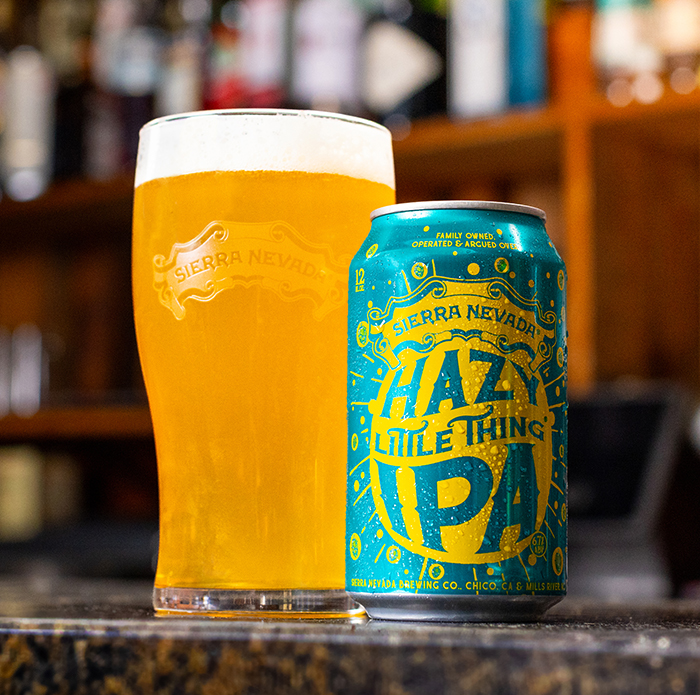
Nevada, and 32% are new to craft.
EP: It’s interesting because we’ve heard this in qualitative: that Hazy is this approachable beer, or it’s people’s first craft beer. But to actually now see it in the quantitative data is really cool. That’s why it continues to be one of our really big priorities as we go into the eighth year of this brand.
HT: Your other core priorities are non-alcoholic Trail Pass, Pale Ale, Hop Splash, and Pils. What is it about that lineup that you feel covers all the bases?
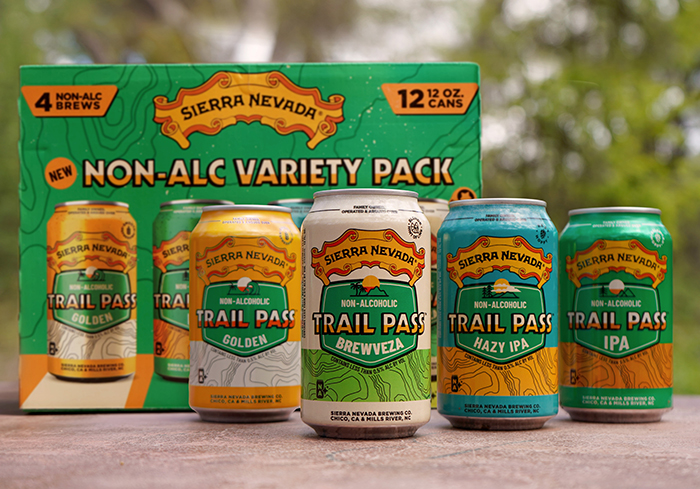
EP: We really feel like it covers everything and serves the role we need it to within craft. Pale Ale and seasonals, what we internally refer to as our craft pioneers, really carry that legacy of craft. We still have to work to bring new craft drinkers to try them and tell that story, but they have the loyalty and are anchors for the category. Hazy, we just talked about why that’s such a critical part of the portfolio for not just us, but for our wholesalers and our accounts as well. And then Trail Pass and Hop Splash, obviously moderation has been covered broadly, but folks are drinking differently, and we need to be able to serve people with more occasions through our portfolio. Then Pils really rounds out our portfolio in that it’s a very different liquid profile in taste and flavor but still has that nod to European brewing that’s always been part of what Ken [Grossman] has done.
HT: When did Pils make the leap to the core portfolio?
EP: Really within the last couple of months. We launched it in draft-only in about 23 to 25 markets in the spring and expanded draft nationally in August. Package launches nationally in January and is obviously then a huge focus for us. It was incredibly well received in fall chain resets, and in terms of the draft distribution that we’ve gotten on Pils, the rate of sale in some accounts is actually outselling Hazy Little Thing. I mean, that’s a really, really incredible and fast start.
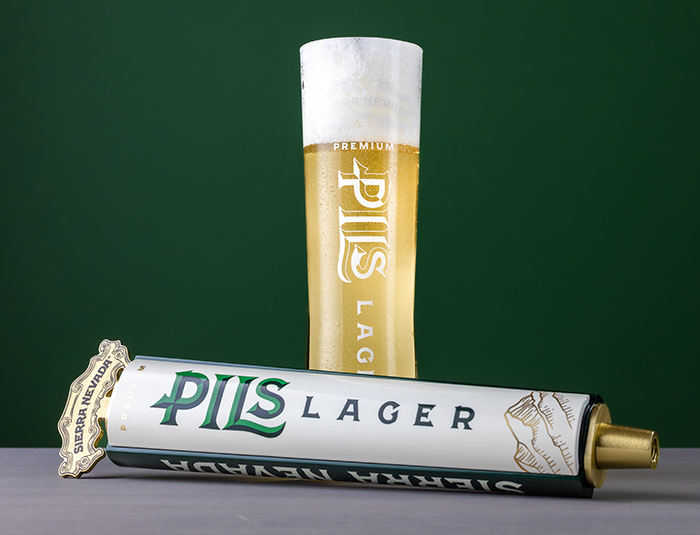
Continuing to push that momentum in 2026, as we go into more markets, will be really important. But we’ve got to do it in a way that we don’t lose sight of Hazy, especially knowing that it can play such a role of bringing people into our brand and into craft.
HT: Springfest IPA is your new spring seasonal. That’s a notoriously difficult seasonal timeframe to crack.
EP: Yes, it is notoriously hard to crack. But we really hope that Springfest becomes similar to our Oktoberfest and Summerfest. And I think it’ll be a little bit more in the vein of Oktoberfest where the beer will change a little bit every year and give us a chance to highlight different farmers and agricultural partners that we work with, which is such an important part of beer in general. It’s about reminding folks that beer is, at its heart, a very simple agricultural product. Beers like Springfest, and some of the work we do with Hop Forward, our sustainability initiative, is a broader way for us to tell that story.
HT: How is Sierra Nevada tailoring strategy to different channels and retail environments?
EP: We talked about our “core four,” but what I would tell you is the rank order of priority of those core four, and even the SKUs within them, really differs by channel. In convenience, Hazy and Big Little Thing are number one and two, with Atomic Torpedo at number three. Nowhere else is Big number two and Torpedo number three. Within draft, Hazy is our numberone priority, but there are accounts where Pils will actually supersede that as number one. We are always trying to use data to become even more deliberate in our recommendations to our partners and our sales team.
About the Author: You may know her as the director of the North American Guild of Beer Writers, but Kate Bernot wears many hats. The work of this celebrated journalist and BJCP Certified Beer Judge routinely appears in The New York Times, Washington Post and the online publication Good Beer Hunting – to name a few. Ms. Bernot resides in Missoula, Montana where she enjoys the great outdoors and a good pint of beer made by the area’s skilled local brewers.